
Mechanical Sewer Rodding and Tree Root Removal in Vernon Hills
Professional sewer rodding Vernon Hills dispatched from 220–290 Hawthorn Road in the Village of Vernon Hills. Code-compliant workmanship, upfront diagnostic evaluations, and reliable Lake County service.
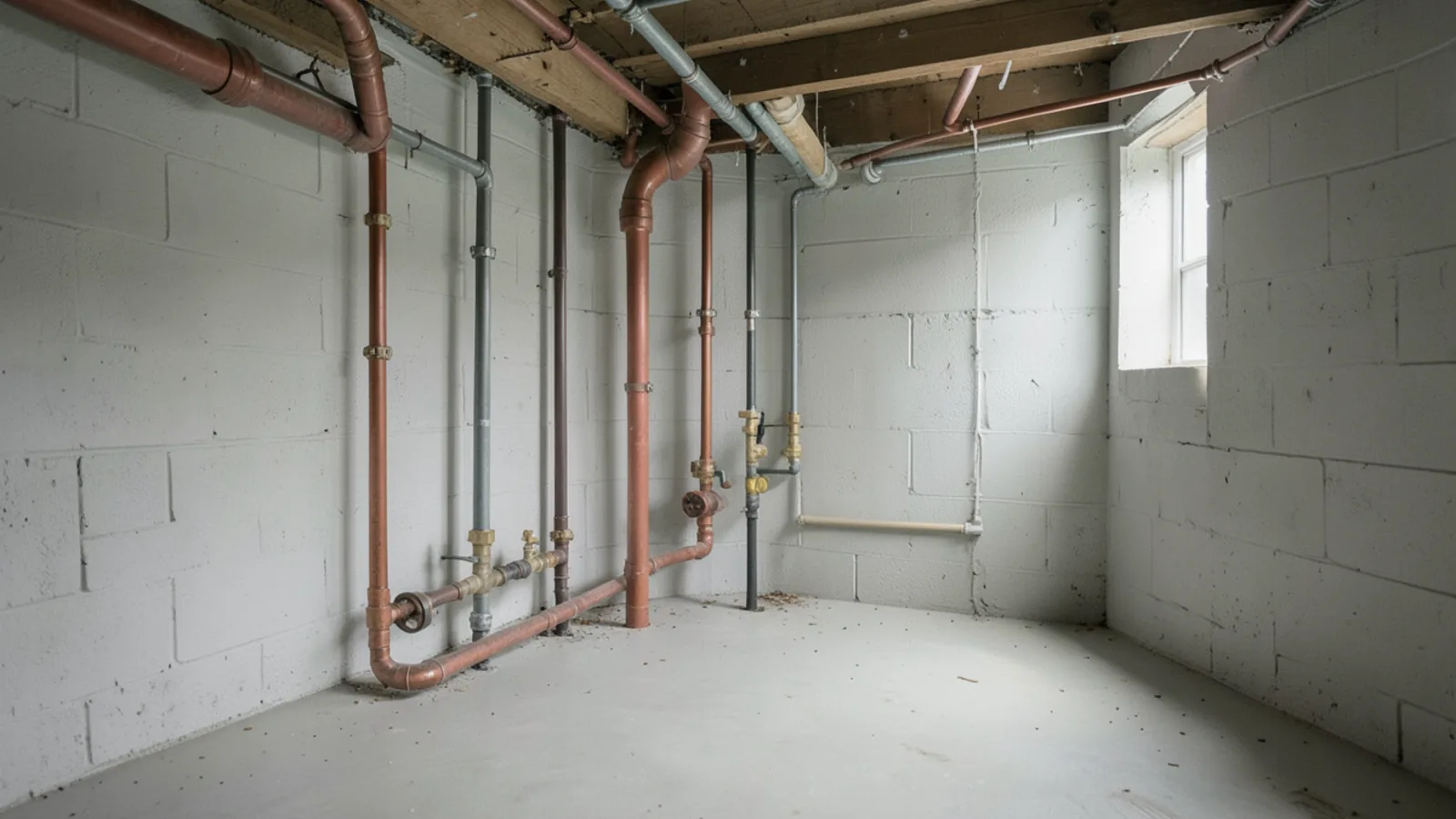
Mechanical Sewer Rodding and Tree Root Removal in Vernon Hills
When stubborn tree roots invade sewer pipes or heavy blockages cause multiple basement drains to back up, commercial mechanical sewer rodding clears the line with unstoppable cutting force. Operating from 220–290 Hawthorn Road, our licensed plumbers operate heavy-duty sectional rodding machines fitted with dual-curved steel root-cutting blades, restoring full flow through 4-inch and 6-inch sewer mains across Vernon Hills in full compliance with 77 Ill. Adm. Code 890.
In established Vernon Hills neighborhoods—such as Deerpath, Grosse Pointe, and mature subdivisions along Butterfield Road—mature oak, maple, and willow trees continuously seek out moisture. Clay tile and cast-iron sewer laterals installed decades ago contain hub-and-spigot mortar joints that dry out and crack over time. Microscopic root hairpins slip through these fissures, feeding on nutrient-rich wastewater until they blossom into massive, dense root masses that fill the entire pipe diameter. Paper and grease snag on the root web, causing raw sewage to surge upward through basement floor drains. While lightweight electric drain snakes punch only small puncture holes that clog again in weeks, our commercial continuous steel sectional rodding machines drive full-diameter circular steel cutting blades directly through the blockage. Spinning under high torque, these razor-sharp blades shear tree roots flush with the pipe wall, completely opening the lateral out to the municipal sewer main in the street.
What Our sewer rodding Vernon Hills Scope Includes:
- Heavy-duty mechanical sewer rodding for 4-inch and 6-inch residential and commercial laterals
- Full-diameter circular steel root-saw blades that shear invasive tree roots flush with pipe walls
- Accessing sewer laterals via basement cleanouts, front-yard double cleanouts, or roof vent stacks
- Clearing severe sanitary sewer backups affecting multiple basement and lower-level fixtures
- Follow-up high-definition color sewer camera inspections to evaluate pipe structural integrity
- Preventative maintenance rodding schedules for properties with known root intrusion histories
Recognizing Mainline Sewer Blockages in Vernon Hills
A main sewer line blockage differs fundamentally from a single sink clog and requires immediate attention:
Wastewater Surging from Floor Drains
When running laundry, showers, or flushing upstairs toilets forces water to bubble up from basement floor drains, the main lateral is blocked.
Gurgling Sounds Across Multiple Fixtures
Air displaced by backed-up water forces its way through toilet traps, causing strange gurgling sounds in bathroom fixtures across the home.
Tree Roots Penetrating Mortar Joints
Shifting glacial clay soils in Lake County crack rigid clay pipe joints, inviting aggressive tree root networks that form dense hydraulic dams.
Recurring Drain Backups Every Few Months
Chemical drain cleaners or light snakes punch only temporary pinholes through root masses; without full mechanical rodding, roots regrow rapidly.
Need Reliable sewer rodding Vernon Hills?
Speak with an experienced plumbing technician dispatched directly from our Hawthorn Road facility in Vernon Hills. Honest evaluations, code-compliant workmanship.
Our On-Site Diagnostic & Installation Procedure
1. Cleanout Location & Containment Prep
We locate the main sewer cleanout in your basement or yard, lay protective floor coverings, and position containment tubs to prevent wastewater spills.
2. Controlled Cleanout Plug Extraction
We loosen the brass or PVC cleanout plug gradually, relieving standing hydraulic head pressure safely before opening the main lateral pipe access.
3. Heavy-Duty Sectional Rodding Operation
We feed tempered steel rods armed with curved root-cutter blades into the lateral, driving the rotational head through root obstructions out to the street main.
4. Full-Diameter Blade Expansion & Root Extraction
We upsize to a full-diameter blade (3-inch to 4-inch or 6-inch) to scrape pipe walls clean, retrieving cut root masses on the cutter head for inspection.
5. High-Volume Water Flush & Cleanout Resealing
We flush all fixtures simultaneously to wash debris into the city main, install a new lubricated cleanout plug, and sanitize the immediate work area.
Transparent Sewer Rodding Service Pricing
Sewer rodding pricing depends on cleanout accessibility and the severity of the obstruction:
- Cleanout Accessibility: Ready access via an exterior yard cleanout or open basement tee versus pulling a basement toilet to access the sewer stack.
- Obstruction Severity: Clearing a standard soft paper clog versus multiple cutting passes through dense, mature tree root masses.
- Lateral Run Length: Standard runs under 100 feet to the street main versus long setback properties requiring 150+ feet of sectional steel rods.
- Follow-Up Diagnostics: Bundling mechanical rodding with a high-definition color sewer camera inspection to inspect pipe fractures.
Village of Vernon Hills Sewer Standards
Routine sewer rodding and mechanical blockage removal through existing cleanouts do not require municipal building permits in Vernon Hills. However, all work must adhere to Illinois Plumbing Code (77 Ill. Adm. Code 890) standards, ensuring cleanouts are resealed with gas-tight threaded plugs to prevent hazardous sewer methane gas from entering the home.
Why Vernon Hills Calls Our Hawthorn Road Rodding Crew
Industrial-Grade Cutting Torque
Our commercial sectional rodding machines generate massive rotational cutting torque to slice through tree root balls that stall smaller cable snakes.
Full-Diameter Root Removal
We don't settle for punching a tiny hole; we use full-diameter expanding blades that clean the entire pipe circumference for lasting relief.
Clean, Spotless Basement Protection
We treat your home with utmost respect, using heavy drop cloths, splash guards, and sanitizing sprays around the sewer access area.
Hawthorn Road Dispatch Hub
Dispatched locally from 220–290 Hawthorn Road, our licensed plumbers arrive equipped to resolve urgent mainline sewer backups quickly.
Related Plumbing Services & Specific System Alternatives
Explore related service options to ensure your specific residential plumbing intent is addressed:
Service Availability in Nearby Communities
Dispatched daily from Hawthorn Road to homes and commercial properties in:
Frequently Asked Questions: sewer rodding Vernon Hills
What is the difference between sewer rodding and hydro-jetting?
Sewer rodding uses rigid, motorized steel rods armed with spinning steel blades to physically chop and slice through thick tree root masses and solid obstructions. Hydro-jetting uses high-pressure water (up to 4,000 PSI) to scrub soft grease, sludge, and mineral scale off pipe walls. For tree root intrusions, rodding is the essential first step to cut roots out, often followed by jetting to flush remaining debris.
How do tree roots get inside my sewer line in Vernon Hills?
In older homes with clay tile or cast-iron sewer lines, ground shifting and settling create hairline cracks in mortar joints. Tree roots sense the moisture and warmth leaking from these joints and grow microscopic root hairs through the openings. Once inside, they feed on water and waste, expanding into dense networks that block flow.
Why is sewage backing up into my basement floor drain when the washing machine runs?
Washing machines discharge up to 30 gallons of water in just a few minutes. When your main sewer line has a tree root blockage downstream, that high volume of water cannot escape to the municipal sewer in the street, causing it to back up through the lowest drainage point in your home—your basement floor drain.
Can chemical root killers replace mechanical sewer rodding?
No. Chemical root killers cannot clear an active sewer backup. If a pipe is clogged with roots, chemicals simply wash over the mass or sit in standing water without penetrating. Mechanical rodding is required to physically cut and extract the roots. Foaming root inhibitors can be applied after rodding to retard future regrowth.
How often should I have my sewer line rodded if I have trees near the pipe?
For homes with mature trees and known root intrusion in clay sewer lines, we recommend preventative maintenance sewer rodding once every 12 to 18 months. Regular rodding prevents roots from growing large enough to cause sudden, catastrophic basement sewage backups.
How long does a professional sewer rodding service take?
A standard main sewer rodding service typically takes 1 to 2 hours, including setting up containment protection, accessing the cleanout, making multiple cutting passes with increasing blade sizes, and performing full fixture flush testing.